
Living With the Aftermath: Understanding PTSD in Veterans
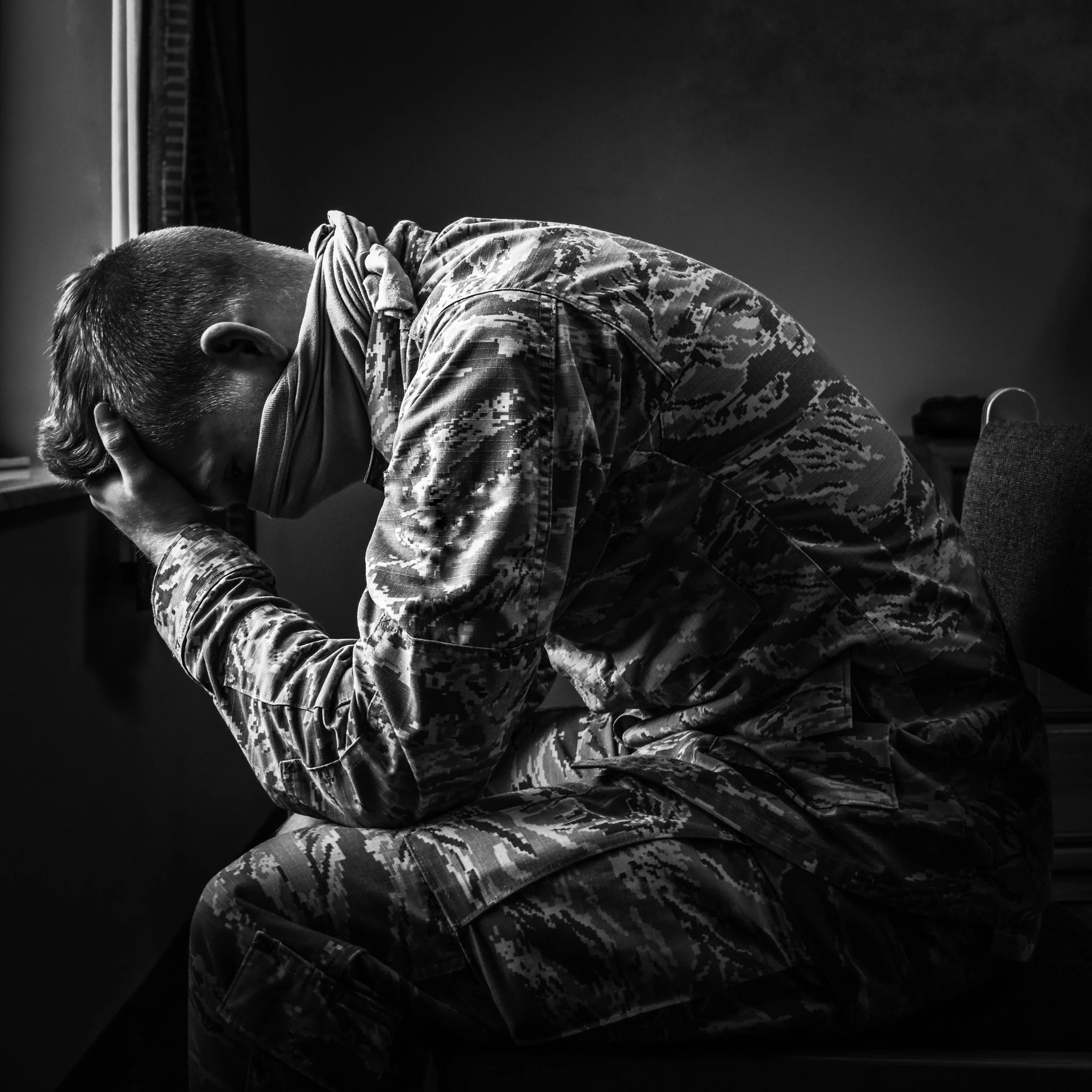
Not every wound from service is visible. For many Veterans, the effects of trauma continue long after military service ends. While life may move forward on the outside, internally, many still carry memories, emotions, and experiences that are difficult to explain to others.
Post-Traumatic Stress Disorder (PTSD) is one of the most common challenges affecting the Veteran community, yet it is often misunderstood by those who have never experienced it firsthand.
June is PTSD Awareness Month, a time dedicated to increasing understanding around trauma, breaking the stigma, and reminding Veterans that support, connection and healing are possible.
What PTSD Can Really Look Like
PTSD can develop after experiencing or witnessing traumatic events, and for Veterans, those experiences may come from combat exposure, loss of fellow service members, training accidents, or prolonged periods spent in high stress environments.
According to the Department of U.S Department of Veterans Affairs:
PTSD affects approximately 11-20% of Veterans who served in Operations Iraqi Freedom and Enduring Freedom in a given year.
About 12% of Gulf War Veterans experience PTSD annually.
Many Vietnam Veterans continue to experience PTSD decades after returning home.
But PTSD is more than a diagnosis.
It can impact nearly every part of a person’s daily life. For some Veterans, PTSD may look like nightmares that make sleep feel impossible. For others, it may mean constantly scanning a room for danger, avoiding crowded places, struggling with sudden anger, or feeling emotionally disconnected from the people closest to them.
Some Veterans relive moments they wish they could forget. Others spend years trying to avoid reminders of experiences they cannot fully process.
And often, these struggles happen quietly.
When Survival Mode Does Not Turn Off
One of the most difficult parts of PTSD is that the body and mind can remain stuck in survival mode long after the danger has passed.
Veterans may experience:
Hypervigilance or constantly feeling “on guard”
Flashbacks or intrusive memories
Difficulty trusting others
Panic, anxiety, or overwhelming stress response
Emotional numbness
Trouble sleeping or recurring nightmares
Avoidance of certain sounds, environments, or conversations
Feelings of guilt, shame, or isolation
These reactions are not signs of weakness. They are responses to trauma.
For many Veterans, PTSD can also make the transition into civilian life more difficult. Everyday environments that seem ordinary to others may feel overstimulating or emotionally exhausting. Maintaining relationships, routines, or a sense of normalcy can become incredibly challenging while navigating symptoms that others cannot always see.
The Weight of Silence
Despite growing awareness around PTSD, many Veterans still struggle in silence.
Military culture often emphasizes strength, resilience, and self reliance. Because of this, some Veterans may feel pressure to suppress what they are experiencing or avoid asking for help altogether. Others may worry they will not be understood.
But PTSD is not something someone should have to carry alone.
Talking openly about trauma and mental health helps reduce stigma and creates space for Veterans to seek support without shame or fear of judgment. Healing begins when people feel safe enough to be honest about what they are experiencing.
The Importance of Support and Connection
Recovery from PTSD does not happen overnight, and it does not happen in isolation. Support systems play a critical role in helping Veterans feel grounded, connected, and understood.
At the Dinontas Foundation, creating supportive environments for Veterans remains at the heart of the mission. Through community events, outreach, volunteers, and meaningful connection, Veterans are reminded that there are people willing to stand beside them through every stage of healing.
Sometimes support looks like resources and professional care. Other times, it looks like:
A conversation without judgement
A sense of belonging
Consistency and community
Someone simply asking, “How are you really doing?”
Those moments matter more than you realize.
Moving Forward With Understanding
PTSD Awareness Month is not just about learning facts or recognizing symptoms. It is about understanding the real experiences many Veterans continue to navigate every day.
Awareness creates conversation. Conversation reduces stigma. And support creates hope.
As a community, we all have a role in making sure Veterans feel seen, heard, and supported long after their service ends.
Stand With Us
This month, we encourage everyone to take time to learn more about PTSD, support Veterans in their communities, and help create spaces where honest conversations and healing can happen.
Visit Dinontas.org to learn more about our mission, get involved, and help us continue building meaningful support systems for Veterans and their families.
Because no Veteran should have to face the aftermath of trauma alone - and together, we can help make sure they do not have to.