
Carrying the Invisible Weight: Understanding Veteran Mental Health
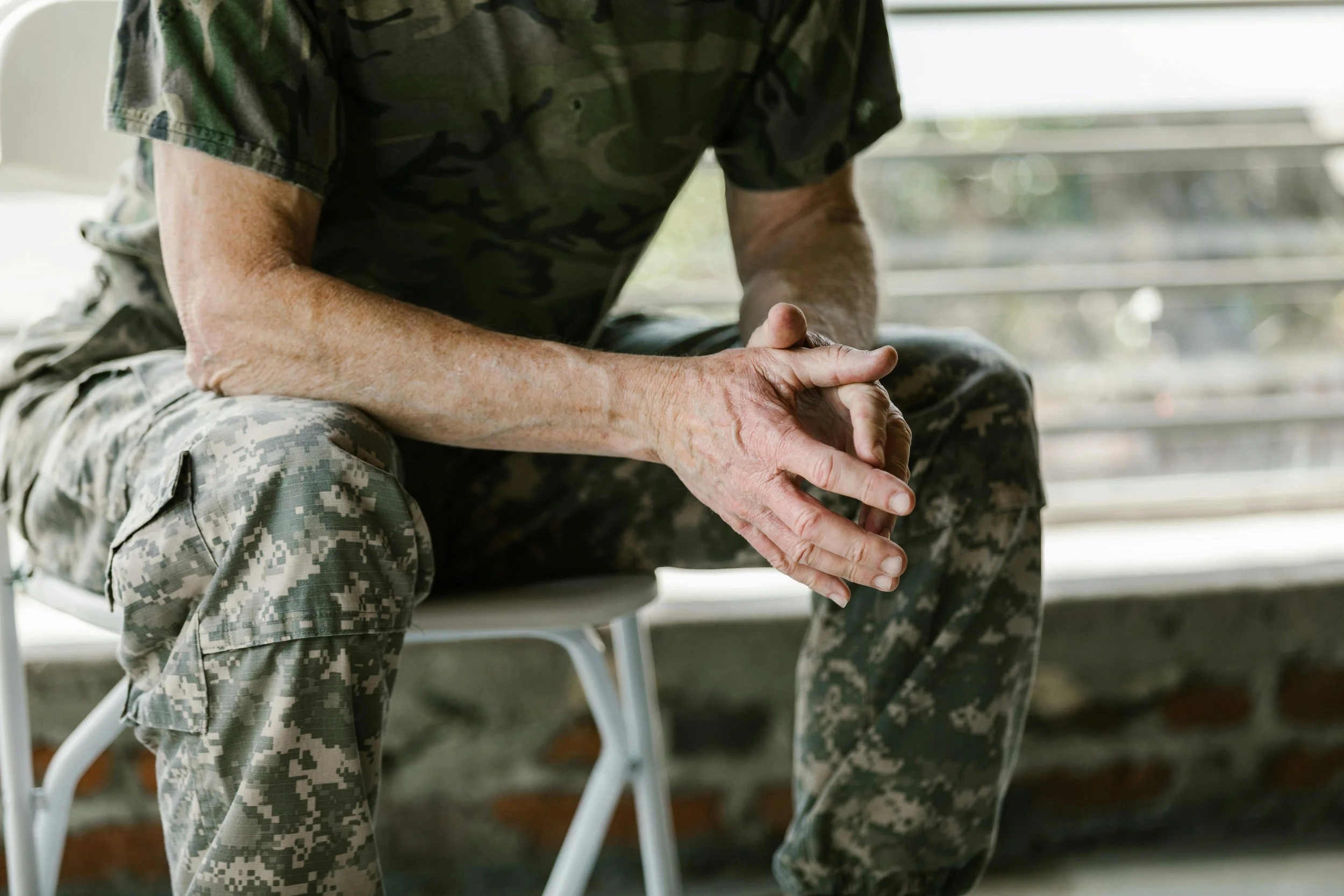
Service does not end when the uniform comes off. For many Veterans, the challenges they carry after service are not always visible, but they are deeply felt. Mental health is one of the most pressing and complex issues facing the Veteran community today, affecting individuals, families, and entire support systems.
May is Mental Health Awareness Month and we are reminded that awareness must go beyond acknowledgement. It must lead to understanding, action, and consistent support for those who have given so much.
The Reality Behind the Numbers
Mental health challenges among Veterans are very common. According to the U.S. Department of Veterans Affairs:
Approximately 1 in 3 Veterans seeking care through the VA have been diagnosed with at least one mental health condition.
Post-Traumatic Stress Disorder (PTSD) affects about 11-20% of Veterans who served in operations such as Iraq and Afghanistan in a given year.
An estimated 17 Veterans die by suicide each day in the United States
Additional research from the National Alliance on Mental Health Illness highlights that:
Depression, anxiety, and substance use disorders are among the most common mental health challenges faced by Veterans.
Many Veterans experience difficulty transitioning to civilian life, which can intensify feelings of isolation, purpose loss, and stress.
These numbers represent more than statistics. They reflect people navigating complex experiences long after their service has ended.
Beyond the Statistics
While data helps us understand the scope, it does not fully capture the day to day reality many Veterans face. Mental health challenges show up in a quiet way - difficulty sleeping, withdrawing from others, struggling to find direction, or feeling disconnected from the world around them.
For some, these challenges stem from experiences during service. For others, they develop during the transition back into civilian life, where structure, identity, and community can suddenly shift.
What remains consistent is the need for connection.
A conversation. A familiar face. A moment of understanding.
These are not small things. They are often the first steps toward stability.
The Role of Community in Healing
Support systems play a critical role in addressing mental health, and this is where community becomes essential. At the Dinontas Foundation, support is not just about providing resources - it is about creating an environment where Veterans feel seen, respected and valued.
Volunteers, supporters, and community members help make that possible.
They create spaces where Veterans can show up without judgement, offer consistency in moments that may otherwise feel uncertain and help replace isolation with connection.
Mental health support does not always begin in a clinical setting. Often, it starts with human interaction - being welcomed, heard, and reminded that you are not alone.
Breaking the Stigma
One of the biggest barriers to mental health care is the stigma surrounding it. Many Veterans feel pressure to remain strong, self-reliant, and unaffected by their experiences. While resilience is a powerful trait, it can sometimes prevent individuals from seeking the support they need.
Changing the narrative is critical in the mission to support our Veterans.
Seeking help is not a sign of weakness, opening up is not a failure, and prioritizing mental health is not optional - it is essential.
By continuing to have open conversations and normalizing mental health support, we create a culture where Veterans feel empowered to take that first step.
Looking Ahead: A Shared Responsibility
As we move forward, supporting Veteran mental health requires a collective effort. It involves organizations, communities, and individuals all working together to create consistent, accessible support systems.
And the Dinontas Foundation, this commitment continues through every event, every interaction, and every effort to build meaningful connections.
Because real impact is not created in a single moment - it is built over time through consistency, care and community.
Stand With Us
Mental Health Awareness Month is more than a moment of recognition. It is an opportunity to show up with intention. Whether through volunteering, starting conversations, or simply being present, every action contributes to a larger system of support.
If you are looking for a way to make a difference, we invite you to be part of the mission.
Visit Dinontas.org to learn more, get involved, and help us continue creating spaces where Veterans feel supported - not just today, but every day.
Because no one should have to carry the invisible weight alone - and together, we can make sure they don’t have to.